
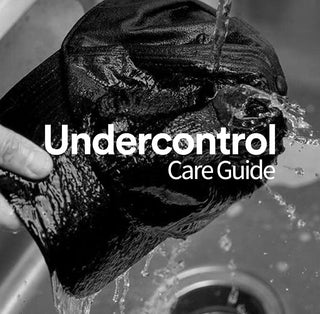
Why Proper Cap Cleaning Matters
Caps are one of the accessories that stay closest to your skin. During daily wear, the inner sweatband comes into direct contact with your forehead and scalp, naturally collecting sebum, sweat, and cosmetic residue over time. If left untreated, these stains can lead to discoloration, odor, and even affect the cap’s shape and overall comfort.
Unlike regular clothing, caps are not designed for machine washing. Their structure often includes internal reinforcements, layered fabrics, and adhesive components that can easily be damaged by agitation, heat, or excessive water exposure. For this reason, proper cap care requires a more thoughtful and controlled approach.
In this guide, we break down cap cleaning into clear stages based on the level of staining. By choosing the right method for the condition of your cap, you can keep it clean, comfortable, and well-shaped for a much longer time.
Before You Start
- Avoid strong friction, twisting, or high-temperature water, as these can permanently damage the cap’s shape.
- Always begin with the lightest cleaning method (Level 1) before moving to more intensive steps.
- Heavy water-based cleaning should never be the first option, even for visible stains.
Level 1: Light Stains
Recommended for light dust, minor cosmetic residue, and slight oil buildup from everyday wear. In many cases, water is not necessary at this stage.

1. Tape Cleaning
Using adhesive tape such as packing tape, gently press and lift over the stained area. Rather than rubbing, repeat a light tapping motion to allow dust and fine debris to adhere to the tape. You will notice residue transferring onto the tape with each pass.
- Replace the tape once the adhesive weakens.
- Avoid pressing too firmly or leaving the tape on the fabric for too long, as adhesive residue may remain.

2. Steam Finishing
Applying steam without direct contact helps relax the fabric fibers and refresh the cap’s structure. After steaming, reshape the cap using a cap stand if available. If not, towels or plastic wrap can be used to support the interior and maintain the original silhouette.

3. Drying
Allow the cap to air-dry naturally in the shade. Direct sunlight may cause fading in certain fabrics, and strong heat from hair dryers can distort the shape. Slow, shaded drying is always the safest option.
Level 2: Makeup Stains
For visible cosmetic stains or localized oil marks that cannot be removed with tape alone, partial wet cleaning is recommended.
1. Choosing a Cleanser
Use mild cleansers such as hand wash, shampoo, or neutral detergent. Foam-type cleansers are especially useful, as they allow better control during application.

2. Gentle Brushing
With a soft brush or a well-worn toothbrush, lightly work the cleanser into the stained area using water. Avoid aggressive scrubbing, which can damage the fabric surface or cause pilling.

3. Rinsing Matters
Rinse thoroughly under running water, allowing the cleanser to wash out naturally. Never twist or wring the cap. Structured caps with firm front panels require extra care at this stage to prevent deformation.

4. Moisture Removal & Drying
Press gently with a towel to remove excess water. Avoid tissues, as they tear easily and may leave residue behind. Afterward, lightly mist or steam the cap, reshape it, and allow it to air-dry in the shade.
Level 3: Heavy Stains
For large or deeply set stains that cannot be resolved with spot cleaning, full immersion cleaning may be more effective.
1. What You’ll Need
A zippered plastic bag (or plastic bag), neutral detergent, and lukewarm water.

2. Cleaning Process
Add a small amount of detergent and lukewarm water to the bag, creating a mild soapy solution. Place the cap inside, gently agitate, and allow it to soak for approximately 20 minutes. Extreme temperatures should be avoided to protect both fabric and structure.

3. Rinsing & Reshaping
Rinse under running water as in Level 2, without squeezing or twisting. Remove excess moisture with a towel, then proceed with steaming or misting, reshaping, and shaded air-drying.

Final Thoughts
A cap is more than just an accessory. It absorbs the rhythms of daily life and reflects how it is worn and cared for over time.
With the right maintenance approach, you can significantly extend the life of your cap while preserving its shape, color, and comfort. The methods outlined here can also be applied to other fabric items such as shoes or garments.
We hope this guide helps you keep your everyday essentials in their best condition for years to come.
Follow us on Instagram: Undercontrol Official Instagram
Join the Undercontrol Affiliate 🔗Join Us Here